Budget-Friendly Car Maintenance Tips | MotorEasy
Budget-Friendly Car Maintenance Tips
When it comes to looking after your car, it doesn’t always mean having to spend huge amounts of money. There are many low-cost, effective ways to keep your car in safe and smooth condition – there are habits that you can take into your everyday life. From dealing with minor issues early and following your service schedule, to keeping your tyres in good condition and checking your fluids. This guide addresses the simple and straightforward car maintenance tips to help you understand how to protect and maintain your car so it remains safe, efficient and road ready.
Why Regular Car Maintenance Saves You Money
You may think that regular car maintenance and protection feel like an extra expense, but it is one the easiest and more efficient ways of keeping overall bills and costs down. In truth, regular car maintenance saves you money because it helps you identify and fix small issues as soon as they happen, before they turn into something worse and more expensive. Regularly checking your car ensures these faults don’t turn into large bills.
Major repairs don’t happen quickly or overnight, they usually start with something simple and minor, such as low oil levels, aging filters, worn tyres or a weakening battery. If things like these are left unchecked, they can lead to bigger and more expensive problems. This can lead to breakdowns or fuel damage, which is much more expensive to repair.
Simple things like a quick fluid check, replacing parts at the right time, or keeping tyres properly inflated can help prevent expensive car repairs down the line. It’s not as straightforward as keeping your car on the road – it’s about avoiding those unexpected bills that come at the worst and most inconvenient times.
This is also more practical in the long term. A regularly well-maintained car is much more reliable, efficient and holds its value better and for longer. So, although regular maintenance may feel like an extra small cost now, it can make all the difference in the long term to what you spend and how confidently you drive in the future.
Essential Car Maintenance Tips Every Driver Should Know
In terms of doing these small checks for regular upkeep, some of the most effective things you can do are also the simplest. All it takes is a few straightforward checks and habits to make a real difference to your car’s reliability, efficiency and how much you spend on it over time – you don’t need to be an expert to stay on top of your car.
These car maintenance tips are designed to be simple and easy to follow, especially if you’re not particularly confident when it comes to checking your car.
Check Your Oil and Fluids Regularly
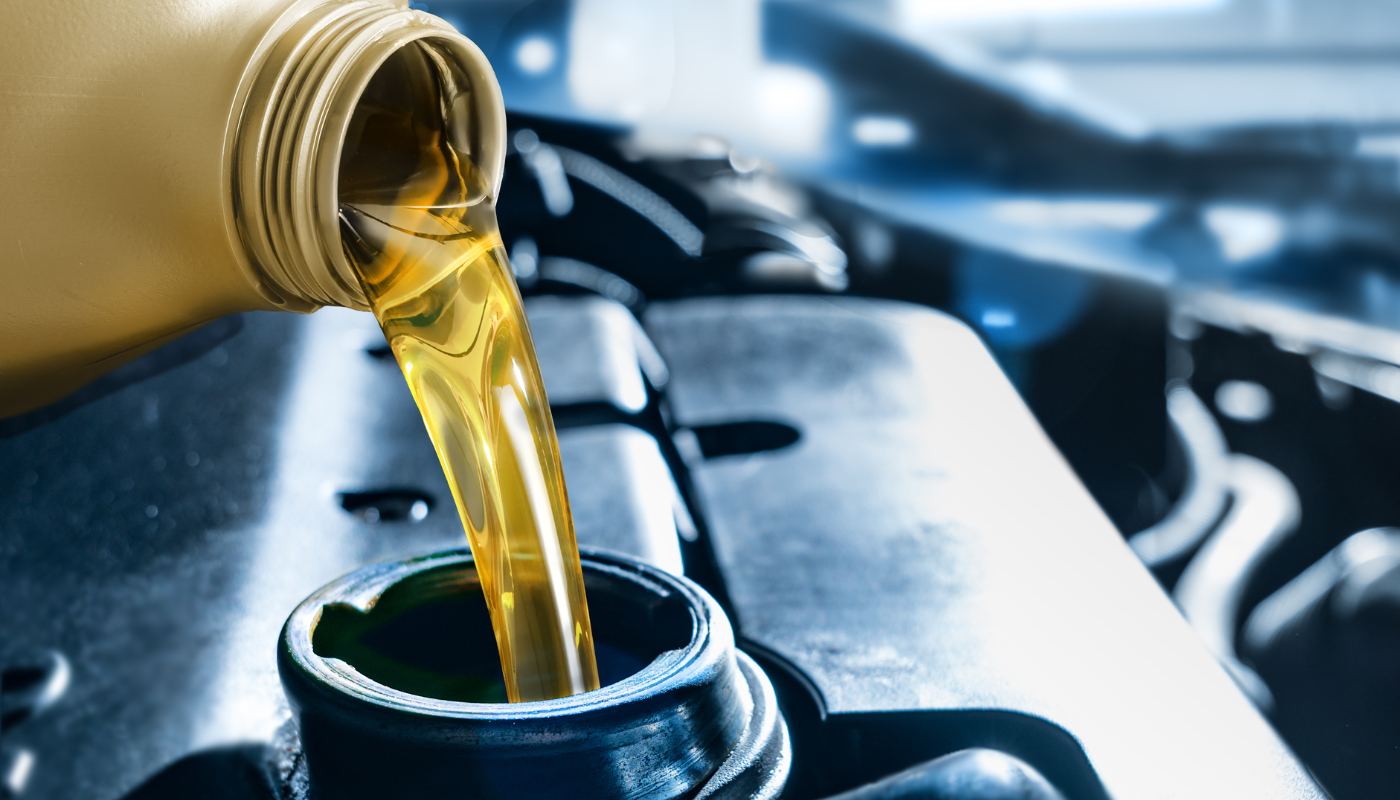
One of the simplest ways to stay on top of how to maintain a car is by checking your cars oils and fluids. This only takes a few minutes, and it can make a big difference in helping you avoid more expensive and serious problems in the future.
Your car’s engine oil plays a crucial part in keeping everything running smoothly. If the levels drop too low, this can lead to friction and cause more wear on your engine. This is why it’s important to check your cars oil regularly, particularly before long journeys, or if your car hasn’t been driven for a while.
Staying on top of your car’s coolant is also important when it comes to car maintenance, as it helps regulate engine temperature. Regular checks on this can reduce risks of overheating – which is something that can be expensive. Another thing you should be checking is your brake fluid and screen wash - this is vital for safety and visibility.
Luckily, you don’t need to do a full car service yourself to see the benefits. Just a quick and simple check is all you need to see if levels are dropping – so you can spot issues and act early.
Keep Your Tyres Properly Inflated
One of the easiest and simplest car care tips to stay on top of is looking after your tyres – as this can make a notable difference to the costs and the safety of driving. When the pressure of your tyres is too low, your car struggles to move and it must work much harder, causing you to use more fuel and your tyres to wear out much faster. On the other hand, overinflated tyres can reduce grip and cause uneven wear, impacting balance.
Tyre pressure maintenance is low cost and quick to do. Many petrol stations have air pumps you can use, and it only takes a few minutes. The recommended pressure for your cars’ tyres can usually be found in the handbook or driver’s door frame. Staying on top of tyre pressure is a small check but it can really make difference for the long term.
Replace Filters on Schedule
This might not be something you often think about, but your cars filters play an important part in how your car performs daily. Checking them regularly is a simple part of how to service a car in the right way, keeping everything running efficiently without adding more expenses.
Your car has different filters for different roles. The air filter prevents debris and dirt from getting into the engine, the oil filter keeps the engine oil clean, and the cabin filter improves the conditions of the air you breathe inside the vehicle. As time goes on, these filters can get blocked and become less effective.
If your car filters are ignored for too long, this can affect the airflow, engine performance and decrease fuel efficiency. Meaning you car may not run as well as it should and you may end up using more fuel than necessary. So, checking these and getting replacements at the right time can avoid extra strain.
Keep Engine Revs Low When Driving
Did you know how you drive your car has just as much impact as how you maintain it? Simple habits such as trying to keep engine revs low during everyday driving can help reduce wear, improve fuel usage and keep costs manageable.
If your engine revs are high, that means the engine is working harder than necessary which can cause added strain on important parts of the vehicle. Having a more relaxed approach to driving can make a big difference – accelerating gently, avoiding high revving and changing gears earlier can all help your engine run more smoothly. Although this seems minor, it’s something you can do with no extra cost.
Address Warning Lights Early
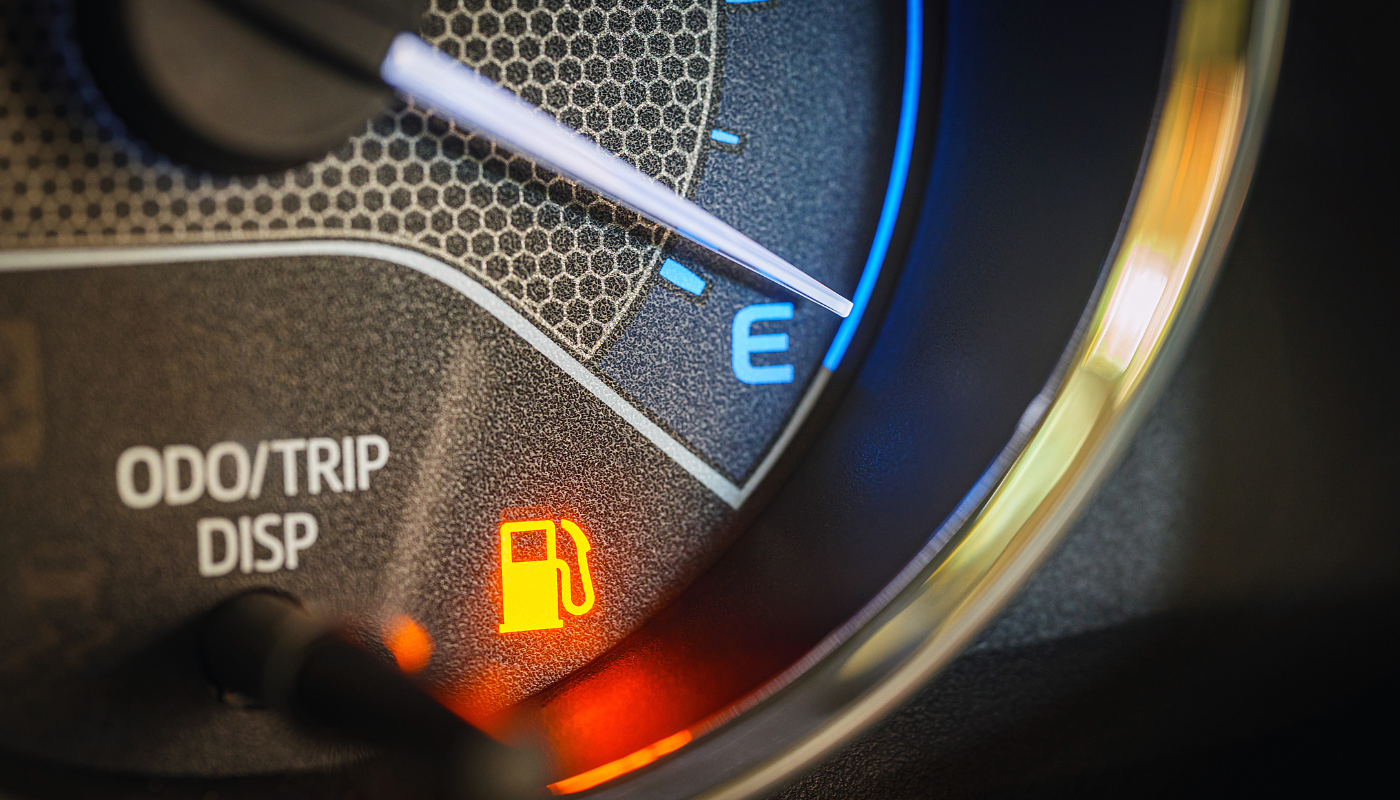
When you see a warning light appear on your dashboard, that is your car letting you know that something is wrong and needs attention. Although it doesn’t always mean there’s a serious issue, it doesn't mean you should ignore it.
These lights are specifically designed to spot early faults so you can act early. Ignoring these warning lights or leaving it too long, can cause another problem to appear or make simple repairs more complex – and ultimately more expensive. So, acting on these warnings sooner rather than later helps you avoid bigger repair bills and prevents some issue from getting worse.
Keep Your Car Clean to Prevent Wear
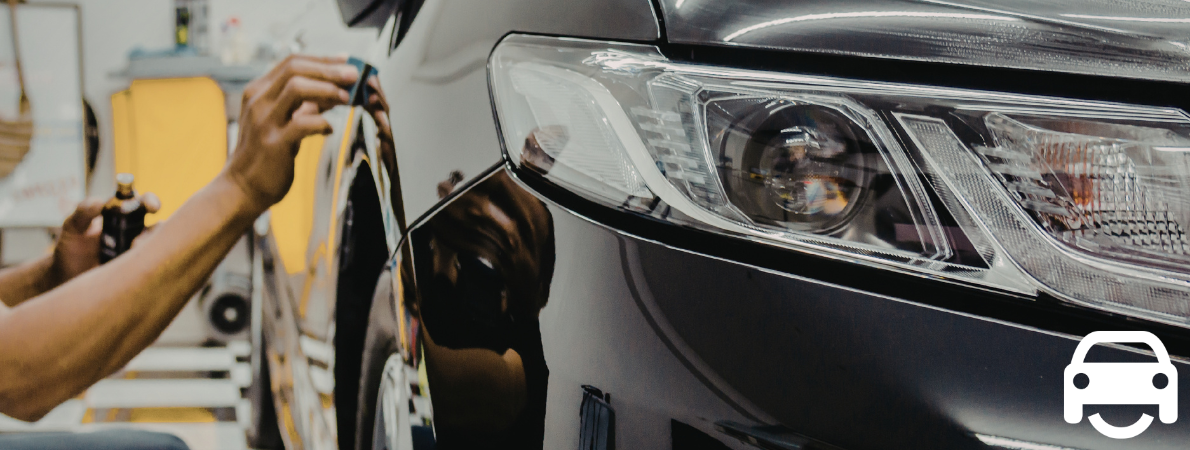
Keeping your car in clean condition isn’t just about the way it looks. Debris, dirt and grime can build up on your cars exterior over time and gradually cause damage if it's left unattended. Washing your car regularly removes this, reduces wear, rust and the risk of corrosion, especially on the wheels, lower panels and underbody.
Regularly cleaning your car enables you to spot minor issues early on, as you may be cleaning areas of your car that you don’t look at day to day. This is also one of the easiest ways to check your vehicle.
Follow Your Service Schedule
Your cars service schedule is designed to make sure everything is running as efficiently as it should – to prevent issues before they happen or get worse. The vehicles service schedule is there for a reason – so you know exactly when your car is due for attention.
Even though your car might feel fine, parts naturally lose efficiency or wear down. Following you service schedule means these parts get the regular attention they need to continue performing well and safely. It allows your car to have parts checked, rather than waiting for something to fail.
If you’re not sure how often to service your car, it will typically depend on mileage, age and guidance from the manufacturer.
This can also make a difference when it comes to resale. A full-service history shows the car has been well cared for, which can protect its value. Following your service schedule is much more beneficial and cost-effective in the long term, rather than dealing with bills and repairs when something suddenly goes wrong.

How Long Do Cars Typically Last?
When it comes to mileage, most modern cars have no issue with reaching up to 100,000 miles. Especially with regular servicing and care. Sometimes even up to 150,000 miles. Essentially it comes down to how well the car is being looked after. This is a very common question amongst drivers.
There aren’t any ‘one size fits all’ answers. How long. car will last deprends on a range of factors, such as; make/model, how it’s it looked after, what it is being used for and how quickly any issues are dealt with. Both regular car maintenance and daily driving habits play a vital role in how well your car performs and how reliable it stays.
How Many Years Should You Keep a Car?
Some drivers may think that keeping a car for a good few years makes the most sense, but others may come to a point where replacing it is a better option.
The best place to start would be your car’s reliability. If you’re staying on top of car maintenance and your car is running well and doesn’t need frequent repairs, it may be worth keeping. Modern cars I are designed to last, so with the right care they can be dependable and last a long time.
However, if you are starting to notice a build-up of repair costs and regular faults, then it may the best option to replace your vehicle. Ultimately, it’s not about the age but the condition of the car and if the cost and effort is worth keeping it.
Simple Habits That Help Reduce Repair Costs
When it comes to looking after your car, it’s not just about keeping to your service schedule and running regular checks. The way you use and care for it daily has a huge impact on how much it can cost to run and maintain.
There are some small changes you can do to help reduce issues and avoid unnecessary repair bills. Such as driving it regularly, paying attention to how it feels when you drive, or even cleaning it regularly. These habits all help you stay one step ahead and dealing with minor issues before they get worse.
Drive Your Car Regularly
Although this might sound simple, but using your car regularly can really keep it in much better condition. Leaving a car parked for a long period can lead to issue like a flat battery, tyre flat spots, brakes sticking or fluids not circulating as they should be.
Regular use ensures the battery stays charged, engine fluids are operating at the right temperature and tyres in good shape. This is one of the simplest and low-cost habits to keep your car in good condition.
Fix Small Problems Before They Become Expensive
Repair bills are often expensive - they typically begin as something minor that’s easy to overlook. It tends to be something like a strange noise, a warning light, a drop in fluid levels. This all seems small at first, but these are often signs that something else needs attention.
Fixing small issues early is one of the main ways to reduce repair costs -since car problems can grow. If something doesn’t feel right, it’s always worth getting it checked sooner rather than later.
Choose Preventative Maintenance Over Reactive Repairs
The biggest change you can make to reduce repair costs would be choosing preventative maintenance rather than waiting for something to go wrong. This is about making small, planned actions to keep your car in good condition. However, reactive repairs usually happen when something goes wrong unexpectedly, causing higher costs more disruption and stress.
Overtime, long term care for your car can help you avoid unnecessary faults and keep costs down and your car running smoothly.